
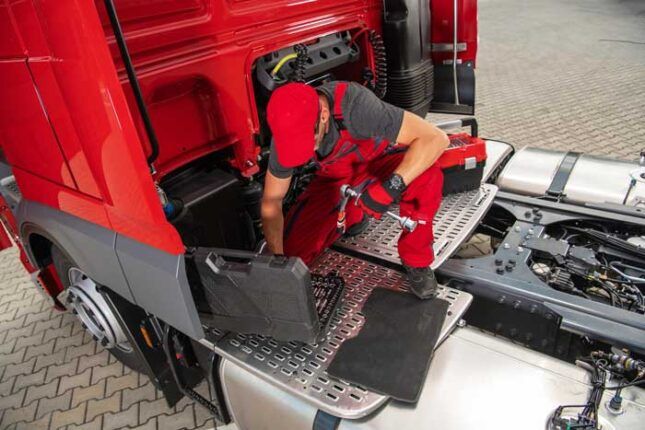
Fleet fuel cards are designed to support comprehensive vehicle management beyond the fuel pump. While fuel is typically the primary purchase, Marathon fleet fuel cards can also cover additional fleet expenses, including maintenance services, vehicle repairs, and other approved operational purchases. This flexibility helps businesses consolidate spending, improve expense tracking and simplify fleet management across all vehicle-related costs. For fleet managers seeking greater control and visibility, the ability to manage fuel and maintenance expenses through one card program typically delivers measurable benefits in efficiency, reporting accuracy and administrative simplification.
Marathon fleet cards are built for fuel management, but they also support additional vehicle-related expenses based on account settings and purchase controls.
Looking for a card that supports fuel and maintenance? Apply for the Marathon Universal Card for broader acceptance. For maximum savings at Marathon locations, get your Marathon Fleet Card today.
Approved Purchases Beyond Fuel
Marathon fleet cards are built for fuel management, but they also support additional vehicle-related expenses based on account settings and purchase controls. Fleet managers can enable or restrict non-fuel purchases based on business needs.
Common non-fuel purchases that may be supported include vehicle maintenance services, oil changes, tire replacements, and minor repairs. These transactions help businesses keep vehicles running efficiently while maintaining centralized expense tracking. By consolidating fuel and maintenance purchases into a single card program, fleet managers gain a clearer picture of total vehicle costs.
Maintenance and Vehicle Service
Maintenance is a critical component of fleet management. Marathon fleet fuel cards can be configured to allow approved maintenance purchases at participating service locations. This includes routine services such as oil changes, tire rotations, brake inspections and fluid top-offs.
By enabling maintenance purchases on fleet cards, businesses eliminate the need for separate payment methods or reimbursement processes. Drivers can handle necessary service work during their routes without delays, while fleet managers maintain oversight through detailed transaction reporting. This approach is designed to support preventive maintenance schedules and reduce unexpected vehicle downtime.
Repairs and Unexpected Service Needs
Unexpected repairs are an inevitable part of fleet operations. When a vehicle requires emergency service, having a fleet fuel card that supports repair purchases helps drivers address issues quickly without waiting for approval or reimbursement.
Fleet managers can set spending limits and purchase controls to ensure repair expenses stay within policy guidelines. Real-time transaction tracking allows managers to monitor repair costs as they occur, providing immediate visibility into unplanned expenses. This level of control and transparency is difficult to achieve with cash or traditional credit cards.
Vehicle Supplies and Equipment
Some fleet fuel cards support purchases of vehicle-related supplies and equipment, depending on account configuration and merchant category codes. This might include windshield wiper fluid, coolant, minor tools, or safety equipment.
These purchases typically require authorization and may be restricted based on spending limits or merchant categories. Fleet managers have the flexibility to enable these purchase types when they align with operational needs, while maintaining control through transaction monitoring and reporting tools.
Purchase Controls and Spending Management
Using Marathon fleet fuel cards for both fuel and non-fuel purchases delivers several operational and financial benefits.
Customizable Purchase Restrictions
One of the key advantages of Marathon fleet fuel cards is the ability to customize purchase controls. These controls allow fleet managers to limit spending to fuel-only transactions or expand to include approved maintenance and service categories. Spending limits can be set by transaction, day or week, providing multiple layers of protection against unauthorized purchases. This flexibility helps businesses balance operational convenience with financial control.
Real-Time Monitoring and Alerts
When fleet cards are used for non-fuel purchases, real-time monitoring becomes even more important. Marathon fleet fuel cards provide transaction-level detail that captures what was purchased, where, when and by whom.
Fleet managers can receive alerts for unusual spending patterns, large transactions, or purchases outside approved categories. This visibility helps prevent misuse and ensures non-fuel purchases align with company policy. Compared to cash or traditional credit cards, which offer limited oversight, fleet fuel cards deliver the transparency needed to manage diverse vehicle expenses effectively.
Category-Based Spending Limits
Advanced purchase controls allow fleet managers to set spending limits by merchant category. For example, a card might be authorized for up to $100 per transaction at fuel stations and up to $500 per transaction at maintenance facilities.
This granular control enables businesses to support necessary maintenance purchases while preventing excessive spending. Category-based limits also help ensure that cards are used for their intended purpose, reducing the risk of off-policy purchases.
Simplified Reporting and Expense Tracking

Consolidated Expense Reporting
Managing fuel and maintenance expenses separately creates administrative complexity. Marathon fleet fuel cards consolidate all vehicle-related purchases into a single account, simplifying expense tracking and financial reporting.
Detailed reports break down spending by category, vehicle, driver, and location. Fleet managers can quickly identify fuel costs, maintenance expenses and other vehicle-related purchases without manually sorting through multiple invoices or receipts. This consolidated view supports better budgeting, forecasting and cost analysis.
Integration With Accounting Systems
Many businesses integrate fleet card data with their accounting or fleet management software. This integration streamlines reconciliation and reduces manual data entry, improving accuracy and efficiency.
When fuel and maintenance expenses are tracked through the same card program, integration becomes simpler and more effective. Transaction data flows directly into accounting systems, categorized by expense type, making it easier to analyze total vehicle costs and track spending trends over time.
Benefits Of Multi-Category Fleet Cards
Using Marathon fleet fuel cards for both fuel and non-fuel purchases delivers several operational and financial benefits. Businesses gain centralized control over vehicle expenses, improved reporting accuracy and simplified payment processes.
Drivers benefit from the convenience of using one card for fuel, maintenance, and other approved purchases. This reduces the need for cash, personal credit cards or reimbursement requests, making day-to-day operations smoother and more efficient.
Fleet managers gain deeper visibility into total vehicle costs, enabling better decision-making around maintenance schedules, vehicle replacement and operational efficiency. By tracking fuel and maintenance expenses together, businesses can identify patterns, optimize spending and improve long-term fleet performance.
Whether you need a card for fuel-only transactions or a more flexible solution that supports maintenance and service purchases, Marathon offers options that fit your business needs. Explore Marathon fleet card options and discover how multi-category cards can simplify your fleet operations. Ready to streamline vehicle expenses? Compare cards today at marathonfleetcard.com.